

Epic Bluff or Strategic Gamble? Why Trump’s Iran Campaign May Be Heading Toward Failure.
Trump’s Iran strategy faces growing skepticism amid denied talks, rising tensions, and global economic risks. Explore why this high-stakes diplomatic gamble may fail.
The escalating tensions between the United States and Iran have once again drawn global attention, with recent statements by Donald Trump suggesting a possible breakthrough—only to be swiftly denied by Tehran. This unfolding situation highlights not just geopolitical brinkmanship, but also the fragility of diplomacy in one of the world’s most volatile regions.
Conflicting Narratives: Claims vs Reality
In a series of bold announcements, Trump claimed that “major points of agreement” had been reached in talks with Iran, hinting at a possible resolution to the ongoing conflict. However, Iranian officials categorically denied that any such discussions had taken place, especially since the escalation began nearly a month ago.
This contradiction raises critical questions:
- Are backchannel negotiations being misrepresented?
- Or is this a strategic narrative aimed at influencing global perception?
The gap between public statements and diplomatic reality suggests a deeper complexity—one where perception may be as important as actual policy outcomes.
Rising Stakes: Threats and Counter-Threats
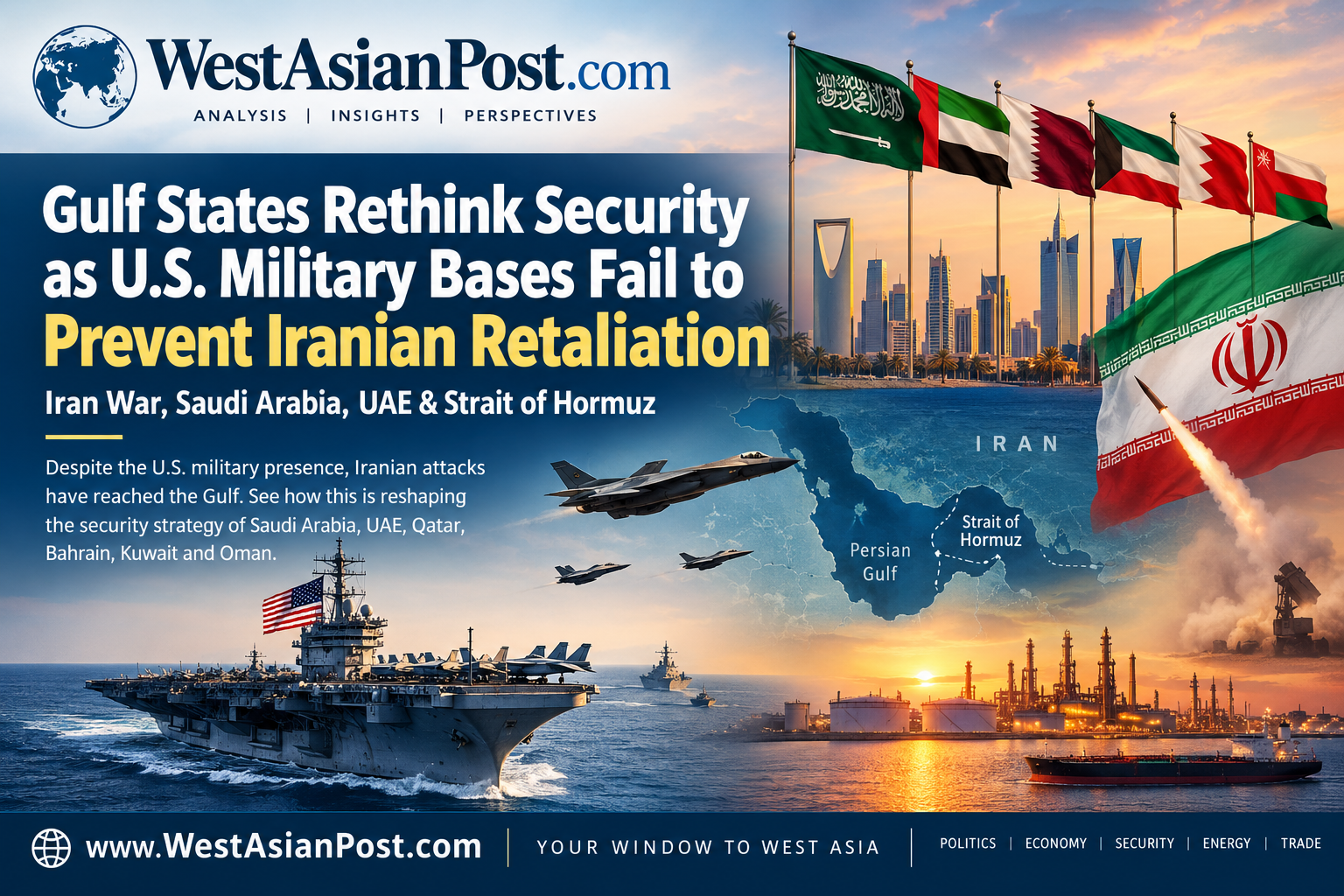
The situation intensified after Trump warned of severe military action, including targeting Iran’s energy infrastructure if maritime security in the Strait of Hormuz was compromised. Given that this narrow waterway handles a significant portion of global oil shipments, any disruption could trigger a global economic shock.
Iran responded with equally strong rhetoric, threatening retaliation across the Middle East. This exchange has:
- Heightened fears of a broader regional conflict
- Increased volatility in global energy markets
- Put pressure on diplomatic channels to deliver results quickly
Behind-the-Scenes Diplomacy
Despite the absence of confirmed direct talks, multiple reports suggest that indirect negotiations may be underway through intermediaries such as Egypt, Pakistan, and Gulf nations.
Key figures reportedly involved include:
- Steve Witkoff
- Jared Kushner
There are also indications that Pakistan could host potential talks, following discussions between Trump and Asim Munir. While the White House has confirmed certain communications, it has refrained from disclosing details, citing the sensitivity of ongoing diplomacy.
A Strategy Doomed to Fail?
Trump’s approach appears to combine aggressive posturing with optimistic declarations of diplomatic success. However, this strategy faces several challenges:
1. Credibility Gap
Repeated claims of progress, when contradicted by Iran, risk undermining US credibility on the global stage.
2. Lack of Direct Engagement
Without formal, verifiable negotiations, the chances of a sustainable agreement remain slim.
3. Escalation Risks
Military threats, particularly involving critical infrastructure, increase the likelihood of unintended conflict escalation.
4. Dependence on Intermediaries
While third-party mediation can be useful, it often slows down decision-making and dilutes accountability.
Global Implications
The stakes extend far beyond US-Iran relations. A prolonged or intensified conflict could:
- Disrupt global oil supply chains
- Trigger economic instability across emerging markets
- Increase geopolitical polarization
For countries heavily dependent on energy imports, including India, the ripple effects could be significant in terms of inflation and trade balance.
Conclusion: Bluff, Strategy, or Miscalculation?
The current trajectory of Trump’s Iran campaign suggests a high-risk strategy that blends political messaging with uncertain diplomatic outcomes. While the possibility of a deal cannot be entirely ruled out, the absence of concrete negotiations and the presence of escalating threats point toward a scenario where failure is more likely than success.
Ultimately, whether this is an “epic bluff” or a calculated gamble will depend on what unfolds in the coming days. But as of now, the signs indicate a fragile situation where rhetoric may be outpacing reality.
Team : WestAsianPost.com
More Featured Articles:
Hormuz Opens for India: Iran Signals Safe Passage for Friendly Nations Amid Strategic Tensions.
Why Saudi Arabia Is Opening Its Doors to Global Tourism: Vision, Economy, and a New Cultural Era.
Ultimate Guide to Early Stage Startup Funding in MENA (2026): Top Investors & Strategies
Why Kjøller Is an Important Venture Capital Investor for Startups Globally.
Company Registration in Dubai 2026: Complete Guide to Setup, Costs, Benefits & Compliance.

One thought on “Epic Bluff or Strategic Gamble? Why Trump’s Iran Campaign May Be Heading Toward Failure.”